
30th March 2024
Discrimination based on social status and age is increasing in Lithuania, as noted by the Office of the Equal Opportunities Ombudsperson in its annual activity report.
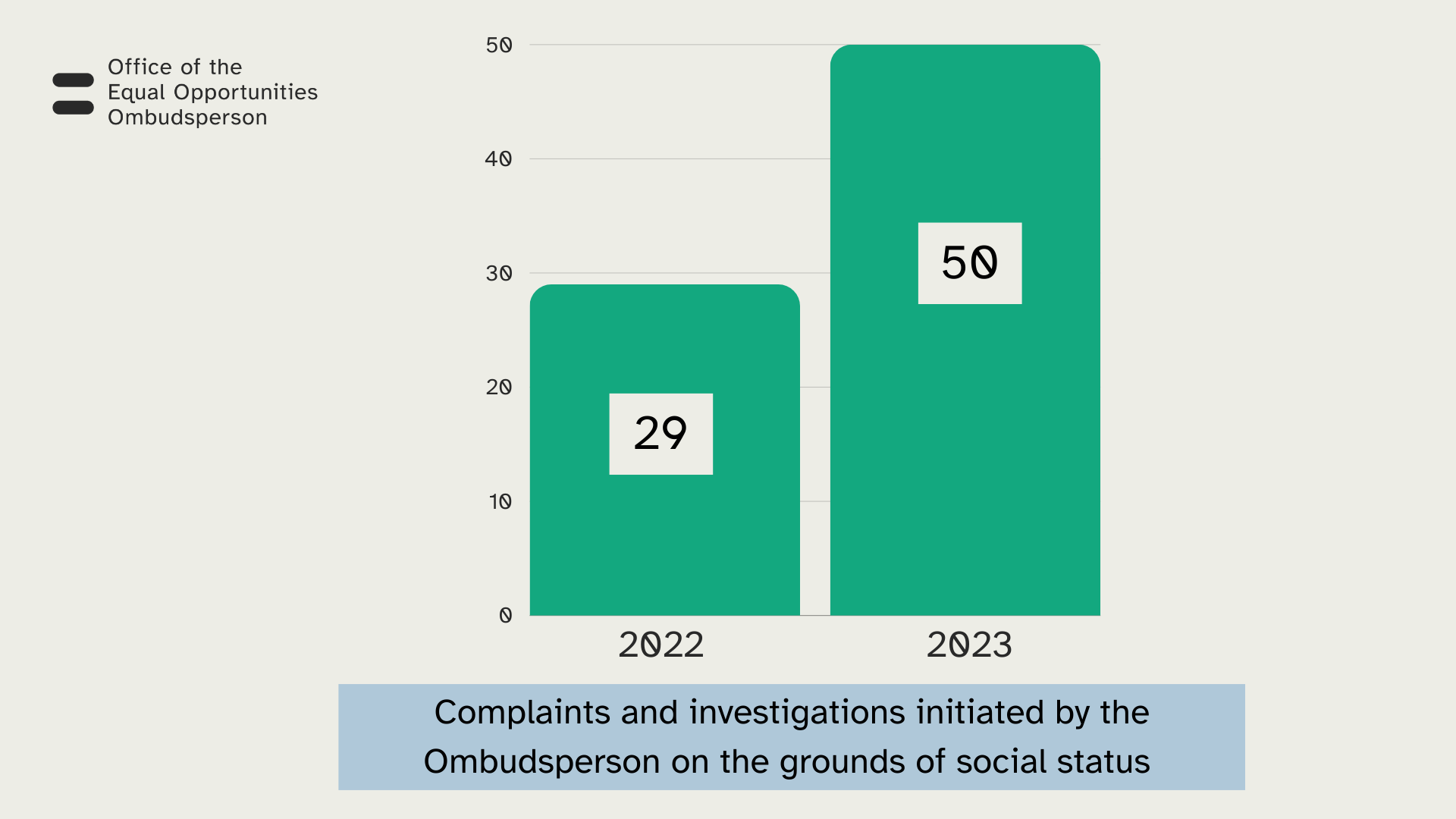
In 2023, the Office received 50 complaints about social status discrimination, up from 29 in 2022. Enquiries in this area also increased significantly from 106 to 281. Residents and companies sought advice on potential social status discrimination and training for ensuring equal opportunities in the workplace.
Audronė Daukšaitė-Timpė, Head of the Legal Affairs Group, explains that this rise is partly due to an amendment to the Law on Equal Treatment that included family status in the definition of social status. This change has encouraged more people to fight against discrimination.
Most enquiries were about services for families with children, such as discounts for family tickets and holiday packages. Complaints included rental advertisements excluding families with children and real estate agents refusing to rent to singles.
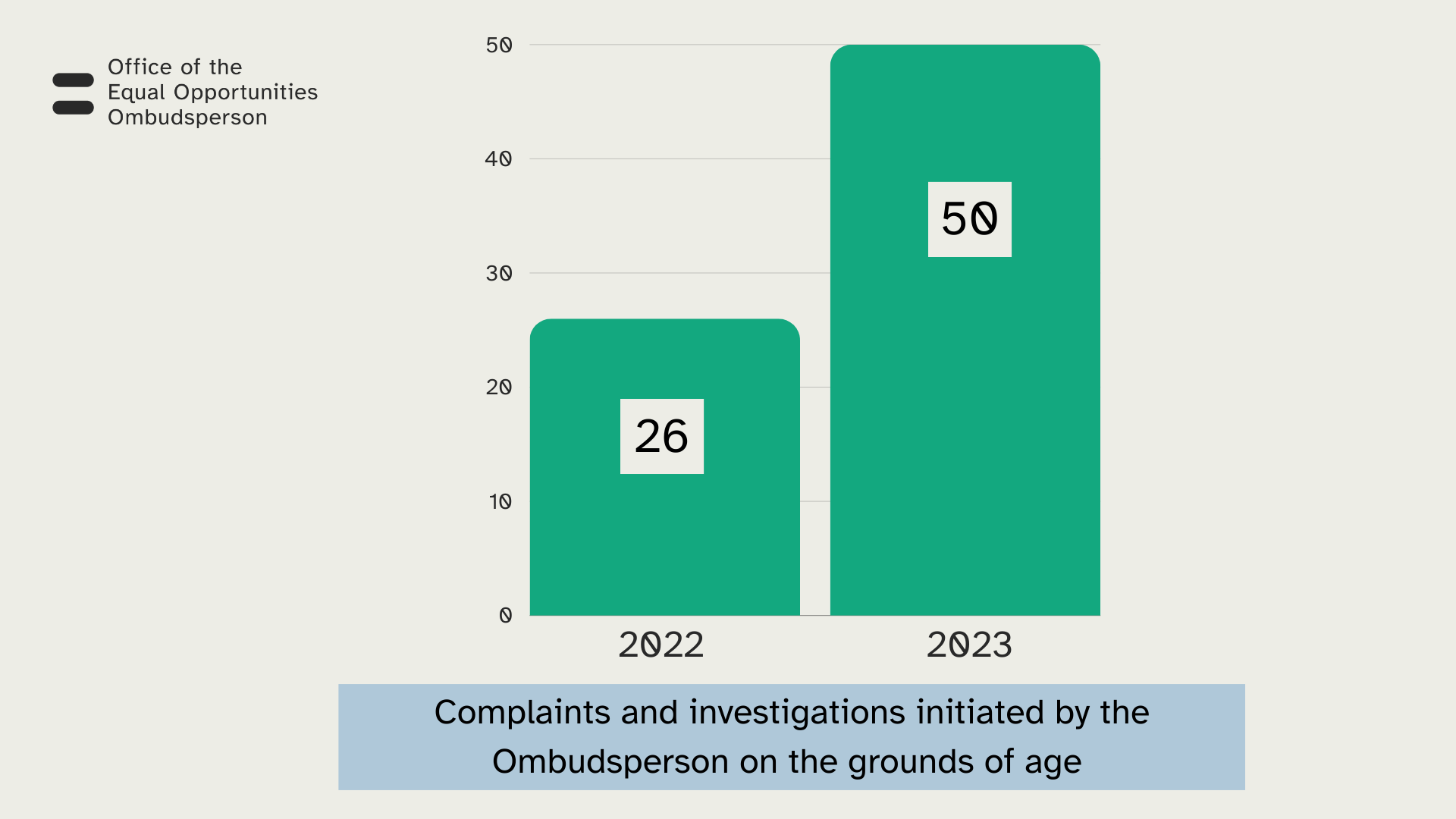
Age discrimination complaints almost doubled, from 26 in 2022 to 50 in 2023, with additional 351 resident requests and enquiries. Older people often faced issues in employment, such as job ads specifying age preferences.
“Age discrimination is a sensitive problem that is getting bigger every year. This is also shown by the data of our surveys, which testify that three quarters of the population are convinced that such discrimination is very or partially widespread in the country. So, it is not surprising that we often receive complaints and enquiries from older people. Most often – due to problems in the employment, for example, complaints are made about job advertisements that name the desirable age of candidates”, says A. Daukšaitė-Timpė.
Gender inequality remains the most common reason for consultation and enquiries
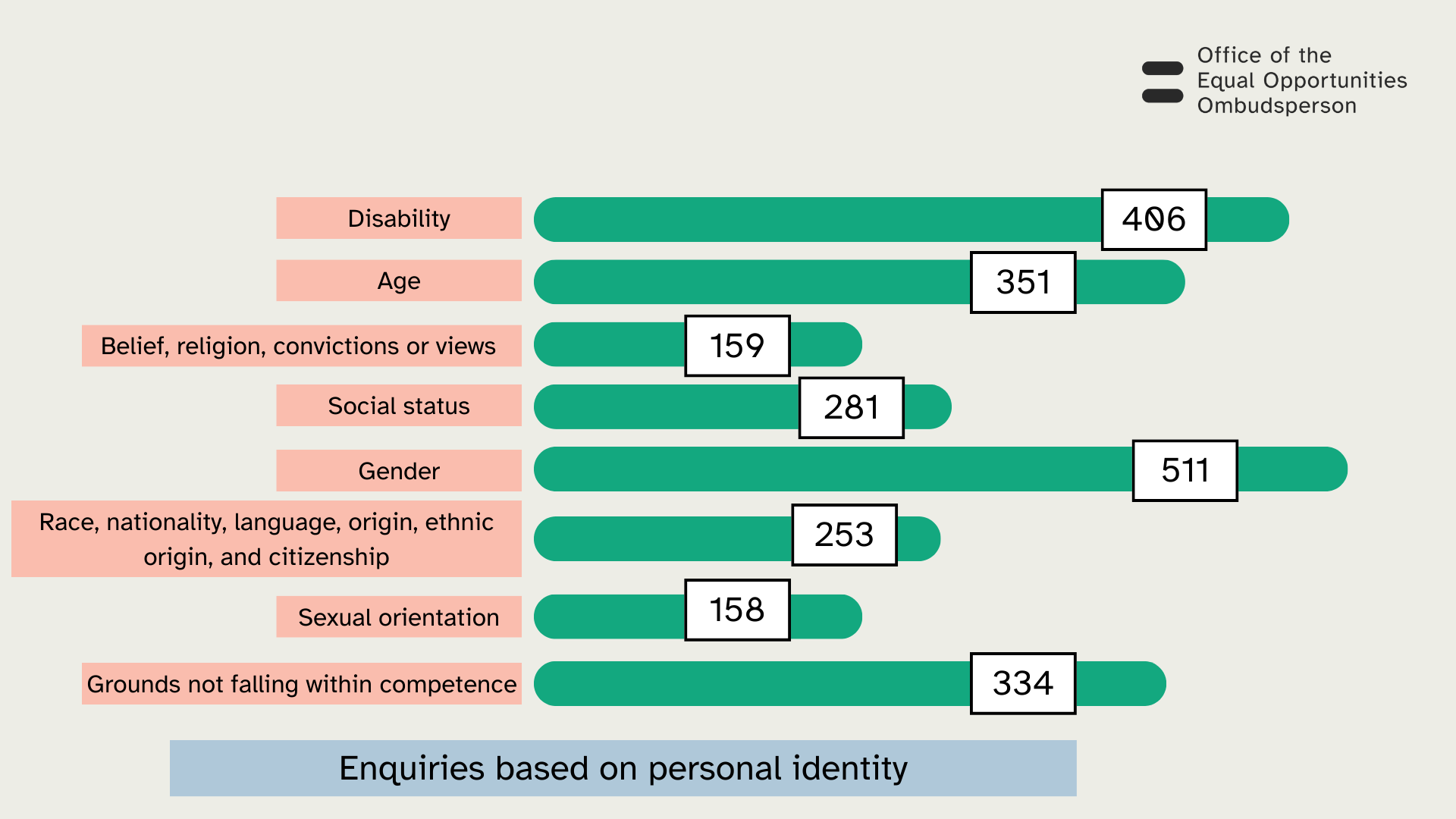
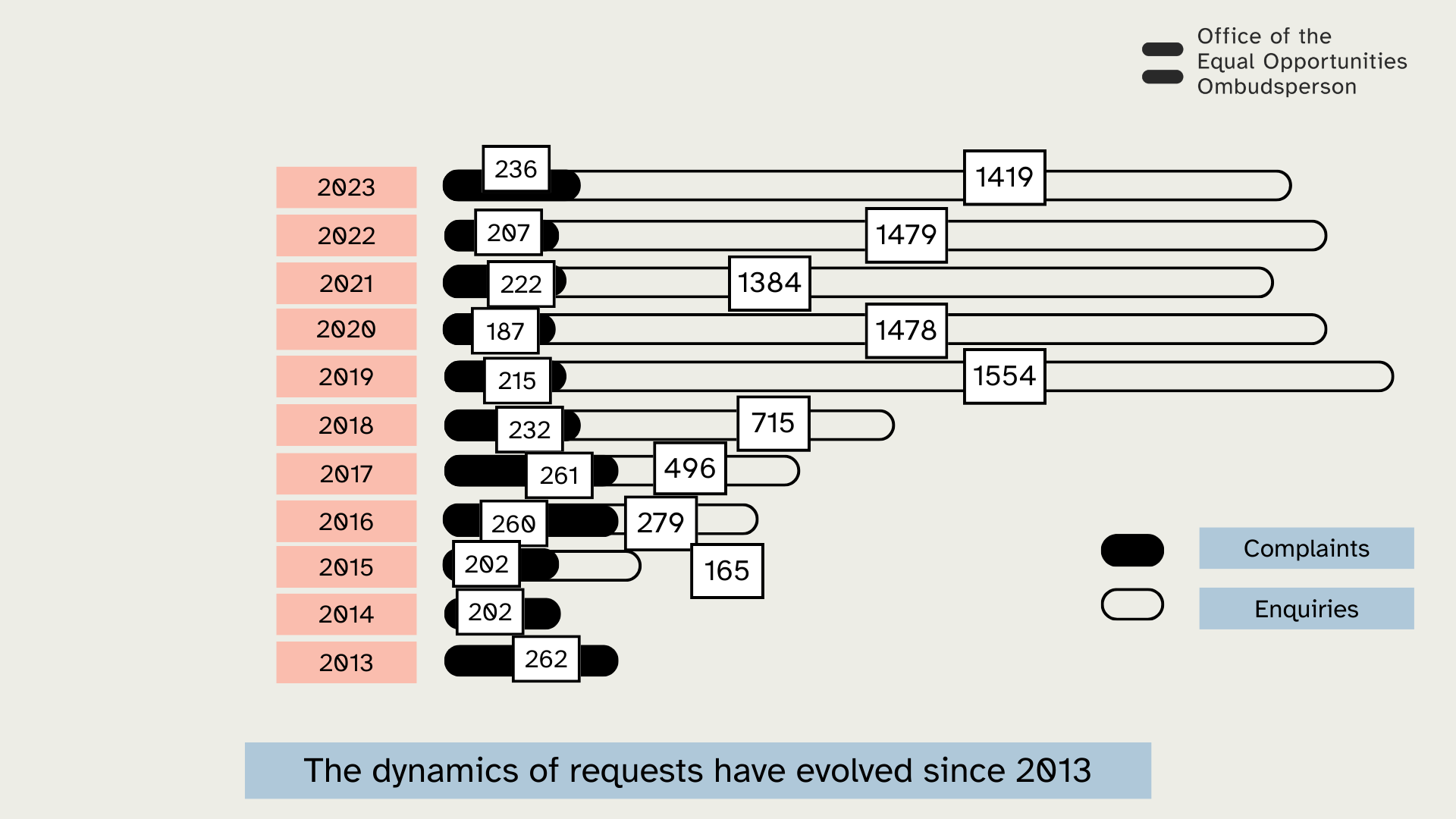
Gender inequality remains the top reason for consultation and enquiries, with 1,655 approaches to the Office in 2023: 236 complaints and 1,419 consultations. Most were about gender (551 times), disability (406 times), and age (351 times). The majority of appeals were related to consumer rights and employment, with fewer in organizations and associations.
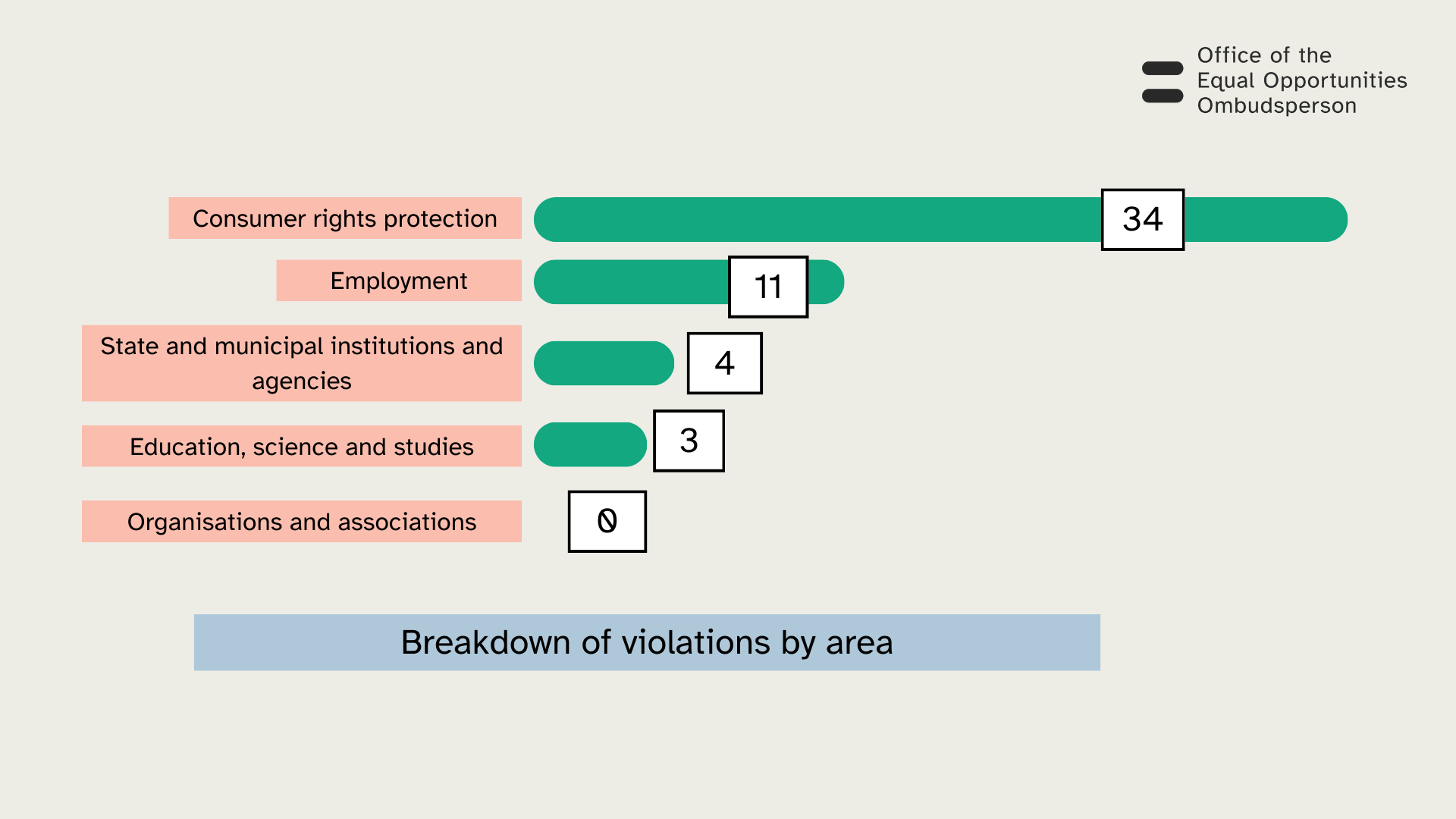
The Office identified 54 equal opportunities violations in 2023, up from 40 in 2022. Age discrimination accounted for 20 of these, mostly in consumer rights protection (34).
Women submitted more complaints and enquiries than men or legal entities, making up 38.5% of all applicants.
A. Daukšaitė-Timpė notes that women are increasingly filing complaints about gender-based discrimination while still employed, though many still hesitate to pursue their cases due to insecurity. Complaints about sexist job ads and disability-related harassment also persist.
Awareness of equal opportunities is expanding
Vilma Gabrieliūtė, Head of the Equal Opportunities Mainstreaming Group, highlights that more companies sought consultations and training on equal opportunities in 2023, indicating growing awareness and proactive measures by employers.
The Office’s 2023 activities included research, consultations, training, and efforts in domestic violence prevention. It launched Lithuania’s first gender equality map and a dedicated gender equality website. The Office also focused on domestic violence against women with disabilities, updating its website www.visureikalas.lt with accessible information in multiple languages (UA, PL, RU), including Lithuanian Sign Language.
The Office analysed elder discrimination through media analysis, public attitude surveys, and legal overviews.
The annual report includes 25 conclusions and recommendations for policymakers to ensure equal opportunities in Lithuania, emphasizing long-standing but unimplemented recommendations:
- To ratify the The Council of Europe Convention on preventing and combating violence against women and domestic violence (Istanbul Convention)
- To adopt the Gender Identity Recognition Law
- To adopt the Civil Partnership Law
- To adopt the National Minorities Law dedicated to the rights of national minorities
- To create an effective self-regulation mechanism for the advertising industry to amend the regulation of the appearance of goods and products, including the prohibition of discriminatory content.